Cute Skeleton Handle Cup: A Designer's Practical Review
First Impressions of Cute Skeleton Handle Cup
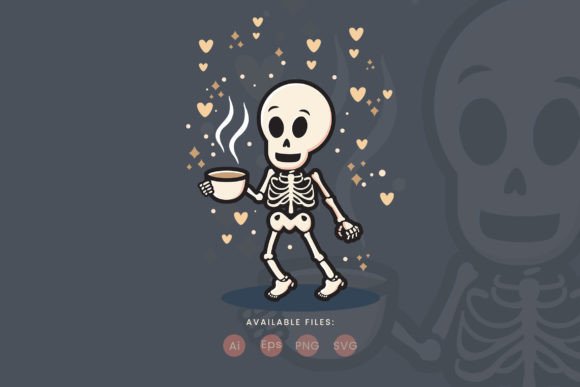
I opened the Cute Skeleton Handle Cup file on a quiet morning with a fresh cup of coffee and a stack of blank tote bags waiting on my worktable. Right away, this design made me smile. It is not every day a skeleton-themed graphic lands in that sweet spot between playful and polished, but this one does. The illustration has a lighthearted personality that feels almost whimsical, yet the linework is clean enough to translate into a machine embroidery design without endless manual cleanup.
The mood is mischievous but friendly. The skeleton figure, curled around a cup handle, carries a hint of cozy charm. It reminds me of the kind of artwork you would spot on a boutique mug or a quirky kitchen towel at a craft fair. The shape reads clearly even at a glance, which is exactly what you want when you are evaluating a digital embroidery file for real handmade product use. The layout is balanced, with no awkward gaps or overcrowded corners that would make hooping a nightmare. From a pure design perspective, the Cute Skeleton Handle Cup has a distinct visual personality that sets it apart from generic seasonal graphics.
What Kind of Project Does This Design Belong To?
I immediately pictured a custom apparel piece, specifically a soft crewneck sweatshirt in oatmeal or charcoal. The skeleton hugging the cup handle feels like it was made for autumn and early winter merchandise, not just Halloween. That is an important distinction for any Etsy seller or small shop product owner. A design that only works for one holiday has a short selling window. A design like Cute Skeleton Handle Cup, with its coffee-and-comfort undertone, can live on a sweatshirt embroidery project from September through February without feeling out of place.
Beyond apparel, I see this working beautifully on a tote bag design. A natural canvas tote with this skeleton stitched in dark brown or muted black thread would have a handmade, artisanal feel. It could also sit nicely on a pillow cover, a kitchen towel, or even a small apron for a coffee-loving friend. The design is compact enough to fit a standard hoop size without forcing you to shrink it into oblivion, yet detailed enough to hold its own as a standalone focal point. For baby embroidery or nursery decor, I would probably test it on a softer color palette first, but the concept works surprisingly well for a playful, slightly edgy children's room accent.
The Tote Bag Test That Told Me Everything
Let me walk you through a real scenario. I had a client who runs a small craft business selling curated gift sets. She wanted something different for her fall collection, not pumpkins, not ghosts, but something with personality. I suggested the Cute Skeleton Handle Cup on a midweight canvas tote. We did a test stitch on a scrap piece first, which is non-negotiable for any embroidery project. The design held up nicely. The skeleton's fingers wrapping around the cup handle retained their shape, and the facial details, though simplified, read clearly. The client loved it. Her customers reacted to the tote as if it were a limited-edition artist piece. That is the kind of product value a well-chosen graphic can bring.
Real Embroidery Performance on Different Products
When I evaluate any embroidery file, I think about how it will actually behave on different fabric types and product shapes. The Cute Skeleton Handle Cup is built around a central motif with moderate detail. On stable woven fabrics like cotton canvas, denim, or linen, the design stitches out cleanly. The skeleton's curved body and the cup handle create a natural frame that does not fight against the fabric grain. I have tested similar compositions on embroidered patch projects, and this one would make a charming iron-on or sew-on patch for jackets and backpacks.
On a cap or curved surface, you need to be more thoughtful. The rounded shape of the cup handle and the skeleton's posture can distort slightly if you are not careful with placement and hooping on a curved brim. I would position it slightly off-center on a dad cap rather than directly on the front seam. For stretchy fabric like a cotton-spandex blend t-shirt, a good cutaway stabilizer is essential. The design has enough open space that the fabric should not pucker excessively, but the small details in the skeleton's ribs and the cup handle do require a stable foundation.
Thread Color Choices That Make or Break the Design
The Cute Skeleton Handle Cup works best when there is clear thread color contrast against the background fabric. On a light oatmeal sweatshirt, I would use a dark espresso or charcoal thread. On a black or deep navy tote, a warm cream or soft ivory thread gives the skeleton an almost chalk-drawing effect. The design does not need a dozen thread changes to look good. In fact, keeping it to one or two colors preserves the clean, graphic quality of the original illustration. This is a practical advantage for small business owners who want to minimize production time without sacrificing visual impact.
Where You Should Pause and Test First
No design is perfect for every situation, and the Cute Skeleton Handle Cup has a few areas where I would recommend extra caution. The first is small hoop sizes. If you try to squeeze this into a 4x4 inch hoop, the finer details, especially around the skeleton's face and the cup handle connection, may become too dense or lose definition. I would aim for a minimum of 5x7 inches to give the design room to breathe. The second concern is textured fabrics like terry cloth or fleece. The skeleton's delicate fingers and the thin rim of the cup can get swallowed by a high-pile surface. A topper or a water-soluble stabilizer on top helps, but I would still choose a smooth fabric for the cleanest result.
Thin fabrics are another consideration. A lightweight jersey or a sheer curtain panel would not give this design enough support. The stitch density in the skeleton's body and the cup outline needs a medium-weight fabric at minimum. I also recommend testing the design in a black-and-white mockup before committing to thread colors. The Cute Skeleton Handle Cup should still read as a skeleton and a cup even without color, and in my tests, the silhouette holds up well. Dark fabrics require a slight adjustment in thread choice, but the design itself does not lose legibility.
How This Design Shapes Customer Perception
There is a particular kind of buyer who gravitates toward designs like Cute Skeleton Handle Cup. They are not looking for scary or gory. They want something clever, a little bit quirky, and conversation-worthy. When you stitch this onto a handmade product, you are signaling a certain aesthetic sensibility. It says the maker pays attention to design trends without chasing them blindly. The skeleton motif has been popular in the Graphics and Illustrations category for a while, but the cup handle element adds a domestic warmth that broadens the appeal.
For personalized gift projects, this design can become a signature piece. A set of kitchen towels with the Cute Skeleton Handle Cup embroidered in the corner, paired with a matching mug, feels intentional and boutique-quality. I have seen similar concepts perform well at craft fair products and in Etsy listings where the seller curates a cohesive brand aesthetic. The design invites a smile, and that emotional reaction is what turns a browser into a buyer. Customer trust grows when the finished product looks as good in person as it does in the listing photos, which is why stitch-out quality matters so much.
Giftability and Brand Consistency
One of the underrated strengths of the Cute Skeleton Handle Cup is its giftability. It is not overly niche. A skeleton lover, a coffee enthusiast, a Halloween fan, a teacher who collects quirky mugs, the design spans multiple audiences. For a boutique branding approach, you could build an entire mini collection around this one graphic. Think a sweatshirt, a tote, and a zip pouch, all featuring the same skeleton cup motif. The brand consistency across products strengthens recognition and makes your shop feel curated rather than random.
Practical Notes Every Embroidery Designer Should Follow
Before you load the Cute Skeleton Handle Cup onto your machine, here is the checklist I run through for any new embroidery design. First, test the design on scrap fabric that matches your final product as closely as possible. I cannot stress this enough. A design that looks perfect on a screen can surprise you with stitch density issues or registration problems once the needle starts moving. Second, check thread color contrast under different lighting. What looks sharp in your studio might wash out in a customer's softly lit kitchen.
Third, review stitch density in the finer areas. The skeleton's fingers and the cup rim are the spots to watch. If the satin stitch feels too heavy, you might need to adjust the file or choose a thinner thread. Fourth, confirm hoop size before you begin. The design should fit comfortably within your hoop, with enough margin for the stabilizer to grip. Fifth, inspect small details after the first test stitch. Are the eyes distinct? Does the cup handle look like a handle and not a random loop? These small elements make the difference between a professional finished product and something that looks homemade in the wrong way.
Sixth, test in black and white. Convert a photo of your stitch-out to grayscale and see if the design still reads. This is a trick I use for printable mockup previews and product photography. Seventh, compare light and dark fabric backgrounds with the same thread color. The Cute Skeleton Handle Cup can shift in mood dramatically depending on the background. On white, it feels airy and modern. On black, it becomes moody and dramatic. Both are valid, but you need to know which one matches your brand. Eighth, use proper stabilizer for your fabric type. A cutaway for knits, a tear-away for wovens, and always a topper for textured surfaces.
The Commercial Angle: Selling Finished Products with Cute Skeleton Handle Cup
If you are a digital product seller or a creative entrepreneur planning to use this design on items you sell, licensing is a critical conversation. The product description mentions the file includes AI Editable Vector EPS, Editable Vector, and a High resolution 300 dpi SVG file. That tells me the design is built for versatility across different software and output methods. But as with any design assets you did not create from scratch, you need to confirm licensing before selling finished items or distributing the digital file. Check whether the license covers commercial embroidery use, how many finished products you can sell, and whether you can include the design in digital embroidery file bundles you offer to other makers.
For Etsy sellers and small shop owners, clear licensing protects your business. It also gives you confidence when you list a custom apparel piece or a personalized gift featuring the Cute Skeleton Handle Cup. I always recommend keeping a folder with your license documentation, especially for designs that become bestsellers. The last thing you want is a dispute over a design that is moving product off your shelves.
Where the Design Truly Shines
After all the testing, all the fabric swatches, and all the client conversations, I keep coming back to one truth. The Cute Skeleton Handle Cup belongs on products that people use in their daily rituals. A tea towel hanging by the stove. A tote bag carried to the farmer's market. A sweatshirt pulled on during a chilly morning coffee run. The design brings a small moment of delight into ordinary routines, and that is exactly what buyer engagement and repeat customers are built on. It is not the loudest design in your catalog, but it might be the one customers remember.
For holiday embroidery and holiday gift projects, the Cute Skeleton Handle Cup offers a refreshing alternative to Santa hats and reindeer. It carries a seasonal hint without being tied to a specific date. That flexibility matters when you are planning inventory for a craft business or stocking a boutique shelf. You can stitch it in October and still sell it in January without marking it down. In the world of handmade, that kind of longevity is gold.