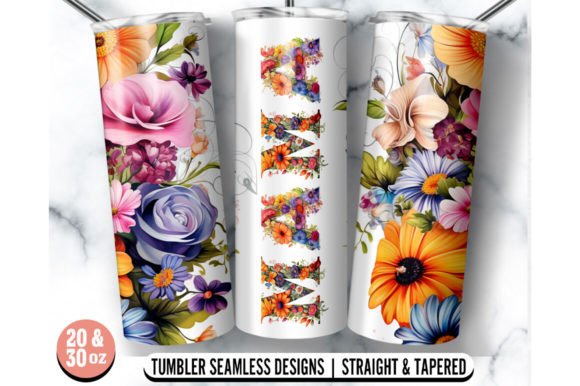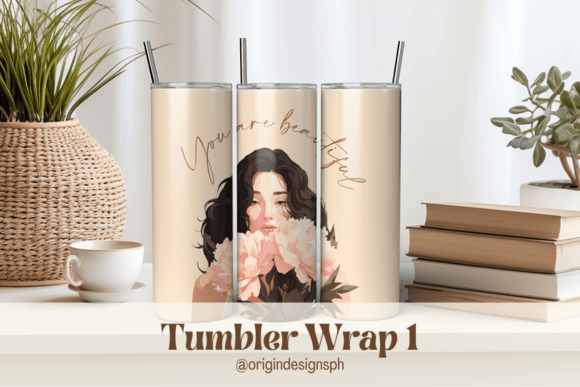
Tumbler Wrap 1: A Designer’s Honest Embroidery Review
When I first opened the Tumbler Wrap 1 preview, I immediately felt a soft, romantic breeze. The way the linework flows and the gentle balance of the decorative elements make it one of those designs that whispers rather than shouts. It’s not trying to be loud or trendy; it’s simply pretty. As someone who stitches samples, runs a small handmade product line, and consults for other craft business owners, I’m always looking for a machine embroidery design that can carry its own visual weight without making the finished product look overworked. Tumbler Wrap 1, at first glance, seems to live in that sweet spot.
But a pretty preview is only half the story. The real test is how the design translates onto fabric, how customers react to it, and whether it can become a reliable workhorse in your embroidery file collection. I’m going to walk through exactly what I’d consider before loading this onto my hoop, and how I’d use it in a real small shop scenario.
First Impression: The Mood and Visual Personality
There’s a lightness to Tumbler Wrap 1 that feels deliberately feminine and airy. The balanced composition, likely a mix of soft curves, delicate floral hints, or ornamental swirls, pulls the eye horizontally across the wrap. That’s exactly what you want in a tumbler design — it needs to wrap around a cylindrical surface and still feel continuous. It doesn’t scream for attention, but it holds it gently. The mood is afternoon tea, a spring craft fair, or a bridal shower favor. It’s aesthetic without being fragile, and the spacing feels open enough to breathe nicely on an embroidered patch or a tote bag design.
As a designer, I’m noticing that the detail level isn’t intimidating. It doesn’t pack in tiny, dense elements that would turn into a muddy mess on textured fabric. That’s a huge plus for small business owners who stitch on tea towels, baby clothes, or soft cotton throws. The visual personality is soft, charming, and likely to appeal to customers who love personalized gifts with a handmade feel.
Where This Design Would Actually Shine in Real Projects
I mentally test every design by picturing it on actual products I’ve sold or stitched for clients. Tumbler Wrap 1 fits into a few clear categories that deserve a closer look.
Custom Apparel and Casual Wear
On a lightweight sweatshirt or a relaxed t-shirt, this design would sit beautifully on the front or even as a smaller pocket accent. The wrap shape could be slightly curved to follow a neckline, or placed horizontally across the chest. I’d lean toward a soft, muted thread palette — think dusty rose, sage green, or warm ivory — to keep the mood intact. On a baby onesie, the design would add just enough charm without overwhelming the tiny garment. The key here is to avoid heavy stitch density that stiffens the fabric, and from what I can see, Tumbler Wrap 1 looks like it would retain a soft hand if digitized with a sensible mix of satin stitch and light fill stitch.
Tote Bags and Everyday Accessories
A medium-weight canvas tote bag is my secret weapon for testing a design’s real-world appeal. Tumbler Wrap 1 would turn a plain tote into a boutique-style product in one hooping. I’d center it on the front panel, maybe paired with a simple monogram underneath. The wrap shape naturally frames the bag’s proportions, and the aesthetic vibe makes it genuinely giftable. Customers always gravitate toward items that look curated, and this design delivers that “effortlessly pretty” look.
Patches and Small Shop Merchandise
As an embroidered patch, Tumbler Wrap 1 becomes a versatile product on its own. I’d stitch it on a felt or twill backing with a clean merrowed edge, and sell it as a sew-on or iron-on patch. The wrap format works unexpectedly well as a patch for denim jackets, tote bags, or even as a decorative accent on a pillow cover. The open shape means it can be sewn horizontally or vertically, giving the buyer creative freedom. That’s a strong selling point for Etsy sellers and craft fair vendors.
Kitchen Linens and Home Decor
A flour sack tea towel with this design stitched near the bottom edge would look like a high-end home boutique find. I’d test it with a single color thread on a natural linen blend to really let the linework do the talking. On a pillow cover, placing two mirrored wraps near the corners could create a subtle, elegant frame. The design’s personality is polite enough for home decor — it doesn’t dominate, it complements.
Thoughtful Limitations: Where You Should Use It Carefully
No design is universally perfect. Tumbler Wrap 1 has a few natural limitations that I’d flag in my own production notes, and they’re worth mentioning honestly.
Small hoop sizes could be a problem. The wrap shape, by nature, is wider than it is tall. If the design is not properly split or sized down, it might not fit into a 4×4 hoop without losing detail. I’d always confirm the embroidery file’s dimensions and available formats before purchasing. If you’re working with a single-needle machine and a standard hoop, measure twice.
Textured fabrics like terry cloth, fleece, or thick knits can swallow the delicate linework. The design’s charm depends on clarity, so I’d avoid high-pile surfaces unless I’m using a water-soluble topper. Similarly, stretchy fabrics like jersey can cause distortion if the stabilizer isn’t perfectly matched. I’d test on a scrap of the exact fabric before committing to a finished product.
Dark fabrics demand a thread color that pops without looking harsh. A pastel on black might disappear, while a bright white could look too stark. I’d run a few quick stitch-outs on navy, charcoal, and deep green to find the sweet spot. The same goes for curved surfaces like caps — the wrap shape might need slight manual rotation or placement tweaking to follow the curve of a hat brim naturally.
Layered garments with seams or zippers near the embroidery area can interrupt the flow. I’d place the design carefully, avoiding bulky seams. And for products that need frequent washing, like a kitchen towel or a baby bib, I’d check the stitch density and ensure there are no tiny, isolated stitches that could snag over time.
How Tumbler Wrap 1 Affects Visual Appeal and Customer Trust
When a customer picks up a handmade product, they’re not just looking at the design — they’re feeling the quality. Tumbler Wrap 1, stitched cleanly, adds a sense of whimsy and professionalism at the same time. The design doesn’t feel like a cheap, mass-produced print; it feels like a thoughtful embroidery choice. That’s the kind of detail that builds buyer trust and encourages repeat purchases.
For a personalized gift, this design works as a standalone decorative element or as a beautiful frame for a name or date. The openness of the wrap allows for customization without cluttering the layout. I can already imagine a wedding gift with the couple’s initials nestled gently inside the wrap’s curve. That kind of flexibility makes a design asset more valuable in a craft business.
Brand consistency is another angle. If your shop’s aesthetic is soft, romantic, and clean, Tumbler Wrap 1 fits right in. It’s easy to build a product line around this mood — tote bags, tea towels, baby blankets, and onesies all feel cohesive when decorated with the same design language. Customers begin to recognize your style, and that recognition is gold for small shops.
Practical Embroidery Designer Notes Before You Stitch
I always run through a mental checklist before I trust a design with a client’s order. These are the steps I’d take with Tumbler Wrap 1, and I’d strongly suggest you do the same.
- Test on scrap fabric first. Use the exact fabric and stabilizer you plan to use for the final piece. A single test stitch-out can save you from a ruined product and an unhappy customer.
- Check thread color contrast. What looks beautiful on screen might blend into the background on a linen or cotton fabric. Test with at least two different thread brands if you’re unsure.
- Review stitch density. If the design feels too stiff or causes puckering, you may need to adjust the density in your software or use a lighter stabilizer. A soft hand is crucial for baby items and apparel.
- Confirm hoop size. Double-check the design’s dimensions against your hoop’s stitchable area. If the wrap is too wide, consider splitting it into two separate placements or using a multi-position hoop.
- Inspect small details. Zoom in digitally and look for any narrow columns or tiny elements that might not render well. A stitch-out will reveal how those details actually behave.
- Test in black and white. Convert the preview to grayscale to see if the design holds up without color. A strong composition should still read well in monochrome, which is useful for tone-on-tone embroidery.
- Compare light and dark backgrounds. Stitch the design on both a light and a dark fabric scrap to see how the thread colors shift. I often find that a design I love on white feels entirely different on a soft gray or navy.
- Use the right stabilizer. For a wrap design on a tumbler or a curved surface, a cutaway stabilizer might be too stiff. I’d lean toward a no-show mesh or a tear-away on stable wovens, but always test.
- Check licensing before selling. If you plan to use Tumbler Wrap 1 on products you sell, make sure the commercial embroidery license allows it. Not all digital embroidery files come with the same terms, and it’s your responsibility to confirm.
Who This Design Is Really For
I can see this design being a quiet favorite for the maker who specializes in personalized gifts, baby shower keepsakes, and boutique home decor. It’s not a bold, flashy statement piece; it’s the kind of design that makes a product feel intentionally crafted. If you’re an Etsy seller who wants to build a product line around a soft, floral aesthetic, Tumbler Wrap 1 offers a lot of possibilities without making you commit to a single product type.
For digital product sellers who create printable mockups or design assets, this graphic could also serve as a beautiful placeholder or a layered element in composite previews. The category of Graphics and Crafts overlaps here, because the clean lines and open shape make it easy to visualize on a variety of blank product templates. I’d use it to create listing images that feel cohesive and aspirational.
Final Thoughts from the Hoop
After spending time with this design, I’m confident Tumbler Wrap 1 is a solid addition to a maker’s embroidery library. It’s not trying to do everything, and that’s exactly why it works. The aesthetic is clear, the layout is practical, and the finished product potential is genuinely high. I’d recommend it to anyone who wants to add a touch of soft, pretty detail to their handmade inventory without overcomplicating the stitch process.
As always, let your own test stitch speak the loudest. Trust your fabric, trust your stabilizer, and trust your eye. If the design makes you smile when you hold up the finished piece, your customers will feel it too. Tumbler Wrap 1, in the right hands, does exactly that.