Bernese Dog Tumbler Wrap: Graphics for Tumbler Wraps
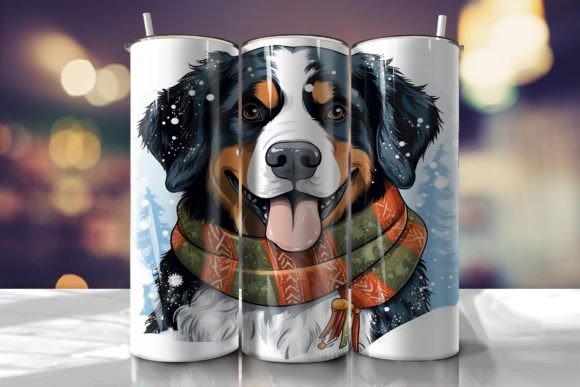
Unzipping the folder for this Bernese dog design felt like opening a small but promising piece of a pet-focused collection. The first thing that caught my eye was the warmth of the illustration—it sits somewhere between a hand-drawn rustic sketch and a clean, commercial pet portrait. That balance is exactly what you want when you’re planning to turn a single graphic into multiple sellable products. The mood is affectionate without being overly cutesy, which opens the door to a broader audience: dog lovers, outdoor enthusiasts, and even gift buyers looking for something that feels personal but not childlike.
Before I even think about building a listing around a design like this, I ask myself who it’s really for. The Bernese Dog Tumbler Wrap leans into a cozy, mountain-life aesthetic. It could attract buyers who resonate with cabin decor, hiking culture, or the loyal, gentle nature of the breed. That’s a niche with decent search volume and strong emotional connection, especially on platforms like Etsy and Creative Fabrica. The visual personality is friendly, slightly rustic, and unmistakably canine—it would sit comfortably in a handmade shop that sells personalized pet gifts, seasonal drinkware, or even digital download bundles for dog rescue fundraisers.
What You Actually Get in the File Package
The download is structured simply: a single ZIP file that contains two high-resolution PNG files. Both are rendered at 300 DPI, which is the standard sweet spot for print-on-demand and sublimation work. The first file is a straight layout, and the second is a tapered version. Each measures 9.3 by 8.2 inches. That dual-format approach is practical because it covers the two most common tumbler shapes without forcing you to distort the design yourself. I’ve lost count of how many times I’ve had to warp a straight graphic by hand to fit a tapered cup, and the results are rarely perfect. Having both options from the start saves time and keeps the product consistent.
There’s no vector file included, so this isn’t a plug-and-play SVG for Cricut or Silhouette users who want to cut intricate vinyl decals. However, the PNGs are clean enough to be converted into cut-ready designs if you know your way around tracing tools. The transparency is intact, and the edges of the illustration are crisp, which makes that conversion feasible. I’ll touch on the cutting aspect later, but for anyone focused on sublimation and printable products, the file type is exactly what you need.
Testing the Design Across a Product Collection
When I integrate a new graphic like this into my product pipeline, I run it through a series of mockup tests before I ever write a listing description. I started with a 20oz skinny tumbler mockup—both straight and tapered versions—and the design filled the space well without needing to be stretched. The colors stayed true on a white background, and the composition felt balanced. The dog’s face is the focal point, with enough surrounding detail to keep the wrap from looking empty, but not so much that it overwhelms the cup.
After tumblers, I dropped the same PNG onto a mug mockup, a tote bag, a crewneck sweatshirt, and a 5x7 printable wall art frame. On the mug, the design scaled down without losing its character. On the tote bag, the straight version worked nicely as a centered graphic. The sweatshirt placement needed a little adjustment—I used the tapered version rotated slightly to create a more dynamic layout—but the resolution held up. For the wall art, I added a soft handwritten quote in a script font, and it immediately looked like a cohesive, boutique-style nursery or pet memorial print. None of these tests require a full product launch; they’re just quick sanity checks to see if the asset can flex across categories.
Where This Bernese Dog Graphic Performs Best
In my experience, the strongest applications for this design are large-format printable products and apparel. Tumbler wraps are the obvious starting point, but the same file shines on full-bleed sublimation projects like pillow covers, blankets, and canvas prints. The textured, rustic art style pairs beautifully with wood-mounted prints or framed decor for a lodge-themed room. For digital sellers, this means you can create a bundled listing that offers a tumbler wrap, a wall art print, and a mug design all from the same source file, which dramatically increases the perceived value of the product.
I also tested the design as a central element in a social media graphic for a mock pet adoption event. On a 1080x1080 square, the dog’s face commanded attention, and the rest of the graphic felt warm and inviting. For bloggers or content creators who run pet-focused newsletters, this could easily become a recurring visual asset for headers, pins, or promotional banners. The illustration’s personality is distinct enough to anchor a brand’s visual identity without needing heavy editing.
When You Need to Be More Careful
Small-scale products are where this design shows its limits. I tried to create a 1.5-inch sticker from the straight PNG, and the fine details around the fur and eyes became muddy. The resolution itself isn’t the problem—300 DPI is plenty—but the original illustration contains subtle shading and delicate lines that don’t survive extreme reduction. If your shop relies on intricate sticker sheets or tiny planner icons, you’ll either need to simplify the artwork or use this only for larger decals. Similarly, dark backgrounds can swallow the shading if you don’t adjust the brightness and contrast first. I always test a design on both a white and a dark mockup, and in this case, the dog’s darker coat sections lost some definition against a black tumbler. A quick levels adjustment in Photoshop fixed it, but it’s something to watch for.
Cutting projects also demand extra attention. Without a native SVG, Cricut and Silhouette users will need to create their own cut lines. The design’s edges are mostly clean, but there are small floating elements—like the loose fur strokes—that can trip up an automatic trace. I’d recommend using a solid offset path rather than trying to cut every tiny detail. That approach works for tumbler decals, but it’s not ideal for delicate layered vinyl projects. I’d only use this for print-then-cut or sublimation transfers, not for complex multi-color vinyl assemblies.
Seller Notes for a Confident Launch
Before publishing any listing that includes this design, I follow a checklist that’s saved me from customer complaints and return requests. First, I print a test copy on my home sublimation printer and press it onto a blank tumbler. I want to see if the colors shift from screen to substrate. In this case, the warm browns and cream tones transferred cleanly, with no unexpected oversaturation. Second, I preview the design as a marketplace thumbnail—shrunk down to 200 pixels wide—to make sure it’s still readable. The Bernese dog’s face remains recognizable, which is critical for click-through potential. Third, I test the file on a light background, a dark background, and a textured mockup. The design held up on all three after minor tweaks.
I also organize the customer-facing files carefully. Instead of dumping two PNGs into a messy folder, I rename them clearly: “Bernese_Dog_Straight_9.3x8.2.png” and “Bernese_Dog_Tapered_9.3x8.2.png”. I include a readme that explains which size fits which tumbler type. That small step reduces confusion and support messages. When I pair the design with fonts, I tend to reach for a sturdy serif for a classic lodge look, or a soft handwritten script for a more personal gift feel. I’ve also used a clean sans-serif below the graphic for modern pet brand packaging. The design is versatile enough to work with multiple type styles, but I avoid anything too ornate that competes with the illustration’s texture.
Licensing and Commercial Use
This is the part that can make or break a digital product investment. The listing states that this is a digital download, not a physical product. Commercial use isn’t explicitly guaranteed in the snippet I saw, so I always go back to the full license details before I sell anything that includes this design. Most such assets allow you to use the graphic on finished physical products like tumblers, mugs, and shirts, but restrictions can apply to digital reselling, bundling, or claiming the artwork as your own. I’ve learned to keep a screenshot of the license terms in my product file folder, along with the purchase receipt. If you plan to sell the design as part of a Canva template or a digital scrapbook kit, verify that the license permits redistribution in that format. It’s not worth risking a shop suspension over a gray area.
Building a Collection Around a Single Asset
One of my favorite strategies with a strong breed-specific design is to build a small collection around it. I’ll take the Bernese dog graphic and create a matching set of products: a tumbler wrap, a coordinating phone wallpaper, a greeting card, and a simple 8x10 print. Then I’ll link them together in my shop sections. The tumbler wrap becomes the hero product, but the other items add depth and keep customers browsing. I’ve also used designs like this to create a seasonal angle—think “Winter Dog Walks” or “Mountain Cabin Sips”—and the rustic warmth of this illustration fits that narrative perfectly. If you’re selling on a platform like Etsy, the SEO benefit of a focused collection can be significant, because you’re building relevance around specific keywords like “Bernese mountain dog tumbler wrap” and “rustic dog lover gift.”
For a graphic design asset centered on a single beloved breed, the Bernese Dog Tumbler Wrap delivers exactly what it promises: a pair of high-resolution, ready-to-use PNG files that solve the straight vs. tapered problem right out of the ZIP. Its strengths lie in large-format sublimation, printable decor, and warm-toned merchandise that appeals to a loyal niche. The limitations are what you’d expect from a PNG-based illustration—small-scale cutting and dark background use require finesse, and the design likely needs a conversion step for vinyl crafters. As a digital product creator, I’d treat this as a reliable core asset for a pet-themed collection, not a one-size-fits-all solution. Test it across your mockups, confirm your commercial license, and pair it with fonts that respect its handmade character, and you’ll have a sellable product that feels genuine and well-crafted.